Gype Serif Font for Web Design
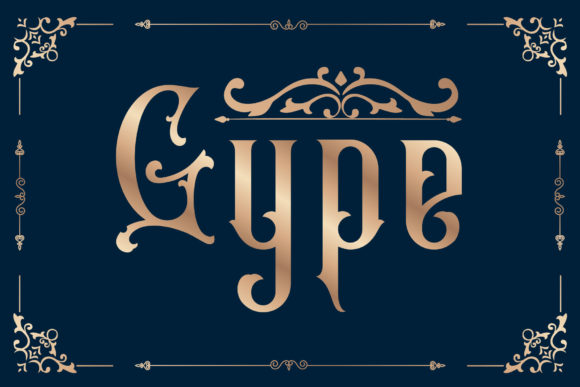
Gype is a vintage serif font that brings the elegance of classic Victorian typography into modern web design. With its cool and unique character, it's an excellent choice for projects that require a bold, nostalgic feel. As a web designer, I've found that Gype adds a distinct personality to digital experiences while maintaining readability and visual hierarchy.
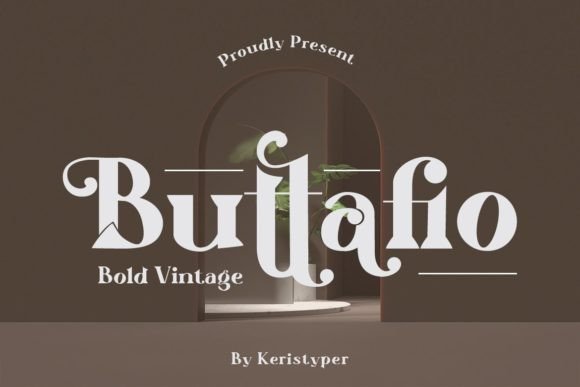
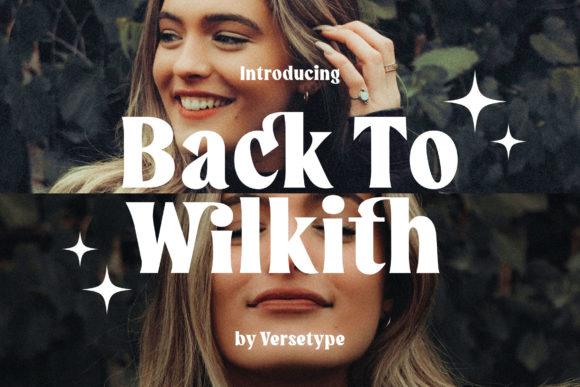
Its visual characteristics include thick strokes, pronounced serifs, and a slightly slanted posture that gives it a dynamic yet refined appearance. This makes it ideal for use in headers, banners, and other prominent sections where you want to capture attention without sacrificing legibility.
Using Gype in Website Headers and Hero Sections
In hero sections and website headers, Gype stands out as a display font that commands attention. Its vintage appeal works well for brands aiming to evoke a sense of history or craftsmanship. Whether it's a boutique online store or a creative portfolio site, Gype can help establish a strong first impression.
I often pair Gype with a clean sans serif font for body copy to ensure readability across different screen sizes. This contrast between decorative and simple fonts enhances the visual hierarchy and helps guide the user's eye through the content effectively.
Applying Gype to Landing Pages and Call-to-Action Areas
Landing pages benefit from clear and compelling headlines. Gype’s bold presence makes it suitable for call-to-action buttons and promotional banners. However, I recommend using it sparingly on smaller elements like buttons to avoid overwhelming the user.
For example, a coaching website might use Gype in the headline section to emphasize the brand's expertise and trustworthiness. It complements the tone of professionalism while adding a touch of uniqueness that sets the site apart from competitors.
When designing for mobile screens, it's crucial to test how Gype renders at smaller sizes. While it performs well in larger headings, I advise against using it for long paragraphs or small text elements where readability could suffer.
Branded Web Content and Visual Identity
A consistent online identity is essential for building brand recognition. Gype contributes to this by reinforcing a specific aesthetic that aligns with the brand's values. For instance, a vintage tattoo studio logo or a barbershop website can leverage Gype to create a cohesive look across all digital assets.
It also works well in blog headers and course sales pages where the goal is to engage readers with a visually appealing layout. The font's personality can influence how users perceive the brand—adding a layer of trust and sophistication that resonates with the target audience.
When considering font pairing, Gype pairs beautifully with modern sans serif fonts for body text. This combination balances style with functionality, making it easier for users to scan through content without feeling overwhelmed.
Readability and Scanning Behavior
While Gype has a distinctive look, its readability should not be compromised. On dark backgrounds, it maintains good contrast and remains legible. Similarly, when used on light backgrounds, it holds up well without losing clarity.
For short phrases and logo text, Gype shines. It adds a decorative element that elevates the overall design. However, for longer blocks of text, it's better to use it as a supporting typography rather than the primary font.
Testing different weights and alternates available in the font can also enhance your design. Some versions may offer variations that suit specific needs, such as more condensed styles for tighter layouts or lighter weights for subtle accents.
Before implementing Gype on a live site, always check if it includes full multilingual support and necessary file formats like WOFF or TTF. Ensuring the font is accessible across all platforms is crucial for a seamless user experience.
Lastly, remember to obtain the appropriate commercial license for any project that uses Gype. Whether it's for client work, online stores, or digital templates, proper licensing ensures compliance and protects both the designer and the brand.