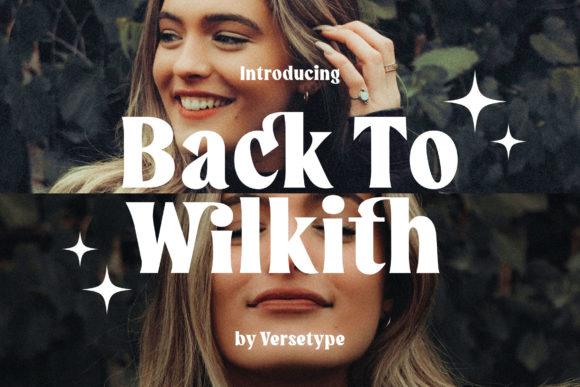
Back to Wilkith: A Vintage Serif Font for Modern Web Design
I was working on a redesign for a boutique online store last week, and I needed a font that would feel both nostalgic and professional. The client wanted something that spoke to their heritage but still felt fresh enough for a digital audience. That’s when I stumbled upon Back to Wilkith, an assertive and vintage styled serif font that immediately caught my eye.
The first thing I noticed about Back to Wilkith was how it balanced elegance with strength. It had the weight and character of classic typography but with clean lines that made it easy to read on screen. I started testing it in the hero section of the site, placing it over a full-width image banner. The contrast between the rich texture of the font and the subtle background image worked surprisingly well, creating a sense of depth without overwhelming the viewer.
One of the key features that stood out to me was its PUA encoding. This meant I could access all the glyphs and swashes easily, which was a huge plus when I wanted to add some decorative flourishes to the site’s headings and call-to-action buttons. I used the swash variants sparingly, mostly in the main headline and a few subheadings, which gave the design a polished yet personal touch.
When it came to readability, I tested Back to Wilkith across different screen sizes. On desktops, it performed exceptionally well—its letterforms were clear and legible even at smaller sizes. For mobile screens, I adjusted the font size and line spacing slightly to ensure it remained scannable. I found that pairing it with a clean sans serif font like Helvetica or Arial for body text created a great balance. This combination kept the content easy to read while maintaining a consistent visual hierarchy.
I also experimented with using Back to Wilkith in various sections of the website. In the product listings, I used it for the titles, which helped draw attention to each item. For the call-to-action buttons, I opted for a lighter weight of the font, ensuring it didn’t compete with the button’s background color. In the footer, I used a smaller version of the font for links and credits, which maintained brand consistency without distracting from the overall layout.
What I loved most about Back to Wilkith was how it contributed to the brand’s tone. The vintage style gave the site a sense of trust and reliability, while the modern rendering ensured it didn’t feel outdated. It was the perfect fit for a brand that wanted to showcase its history while appealing to a contemporary audience.
For designers looking to use this font, I’d recommend considering its role within the overall design system. While it works beautifully as a display font for headlines and accents, it might not be the best choice for long-form text. Its serifs can make dense paragraphs feel heavier, so it’s better suited for short phrases, logos, and decorative elements.
If you’re building a creative portfolio, coaching website, or product landing page, Back to Wilkith could be an excellent addition to your design toolkit. It has the versatility to work across multiple platforms—from web banners and social media graphics to digital ads and email campaigns. Just be sure to check the available styles, weights, and file formats before implementing it into your project.
Another thing to keep in mind is the font’s licensing. Since it’s a commercial font, it’s important to ensure that the license covers your intended use, whether it’s for a client project, an online store, or a digital template. Also, confirming that it supports the languages and characters you need is crucial, especially if your website serves a global audience.
In the end, choosing Back to Wilkith wasn’t just about finding a vintage serif font—it was about finding one that could help tell a story through typography. It added personality to the site without sacrificing usability, and it allowed the brand to feel both authentic and modern. If you're looking for a serif font that bridges the gap between tradition and today’s digital landscape, Back to Wilkith is definitely worth exploring.